It is a common problem for many of us. We wake up in the morning and see a pimple on our faces that wasn’t there before.
Pimples which are also known as acne, whiteheads, blackheads and cysts. They result from excess oil production in the skin and are caused by a build-up of dead skin cells on the surface of the skin.
There are many reasons why this can happen, including hormonal changes (such as those that happen during puberty), stress, too much sun exposure or improper hygiene. The affected area of the skin will often be red or itchy or appear scaly, dry and flaky.
They can be particularly noticeable on the face, but can also occur on other parts of the body like the back and chest. Pimples usually appear in clusters, which is why a pimple can be referred to as “a pimple on top of a pimple.”
The question now is how to get rid of pimples in the right way without harming your skin.
Apply a warm compress.
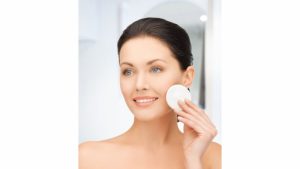
A warm compress can be a great way to get rid of pimples and help with inflammation. It will open up your pores, which will make it easier for the pore strip to stick to the skin and remove the pimple.
A warm compress also can help reduce the inflammation and redness caused by a pimple. It will also help shrink the size of the pimple over time.
You can use a clean washcloth, towel, or handkerchief to apply the compress. You can also use a heating pad or a bowl of steaming-hot water instead. Just make sure that the cloth or towel is completely dry before applying.
Keep your hands off your face!
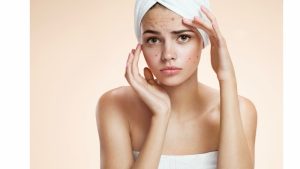
Don’t touch your face with your hands This will only make your pimples worse. If you want to help get rid of pimples, keep your hands off your face! Don’t scratch your pimples! This will make the pimple worse and can cause painful results.
Instead, try using a washcloth or pumice stone to gently exfoliate the area. Also, Don’t bite your pimples! The cause of a pimple is that the skin’s oil glands are over-producing, so avoid doing anything that will make you rub it in.
Use exfoliating cleanser to remove dirt, oil and makeup. Cleansing your face before bed helps make sure that you get a good night’s sleep. Wash your face with a mild cleanser twice a day, morning and night.
What are Different Pimple Remedies on the Market
There are many pimple remedies on the market that can be used to treat acne. These treatments come in a variety of forms, such as creams, ointments, lotions and gels. The most common type of treatment for pimples is topical treatment.
Topical treatments are applied directly to the skin and work by reducing redness, swelling and inflammation caused by acne. These products include benzoyl peroxide creams, antibiotics, retinoids and salicylic acid.
Some people also use oral medications to treat their acne symptoms. Oral medications such as antibiotics or isotretinoin are usually prescribed by a dermatologist or other medical professional because they can cause serious side effects if taken incorrectly.
Benzoyl peroxide is a common topical treatment for pimples that can be applied to the skin. It works by reducing redness, swelling and inflammation caused by acne. Benzoyl peroxide works best when it is used in combination with other treatments such as corticosteroids or antibiotics.
The recommended dosage of benzoyl peroxide for pimples is 2-4% in cream, gel or lotion form. Antibiotics are often used as a topical treatment for acne, either alone or in combination with benzoyl peroxide.
The antibiotic erythromycin is usually used for whiteheads and benzoyl peroxide is typically used for blackheads.
Niacinamide cream can be a moisturizing treatment for pimples that reduces redness and swelling caused by acne. It works by reducing skin inflammation and increasing the skin’s ability to retain its natural moisture levels.
Niacinamide can also help clear up acne when used in conjunction with benzoyl peroxide. The recommended dosage of niacinamide for pimples is 5% or less in cream, gel or lotion form.
Salicylic acid-based solution can be a topical treatment for pimples that reduces redness and swelling caused by acne. It works by penetrating the skin’s surface to remove dead skin cells and reduce oil production that causes acne.
Salicylic acid also exfoliates the skin to remove dead cells that clog pores and then helps to unclog them, thus decreasing inflammation and swelling. The recommended dosage of salicylic acid for pimples is 3% or less in cream, gel or lotion form.
Take a zinc supplement for pimples

Zinc is an essential mineral that plays a vital role in your body. It helps in the functioning of over 300 enzymes and it is also important for the immune system and cell division. Zinc also helps in healing wounds faster and reducing inflammation.
Zinc supplements are important for pimples as it helps in reducing the inflammation and redness of pimples. It also helps in healing the skin faster.
How does zinc treat pimples?
There are two methods of zinc proven to help with acne: oral supplementation or topical application in the form of a cream or serum.
Zinc oxide is often the star ingredient in skin care routines and is responsible for why some people swear by their diaper cream for treating acne.
These people attribute zinc’s antibacterial and anti-inflammatory effects to its potential to provide quick, lasting relief from the most severe acne lesions.
Zinc oxide can create a barrier on the skin surface that helps to prevent acne-causing bacteria and sebum from penetrating. It is also a natural sunscreen that prevents sunburn, which may be particularly helpful if your acne is caused by too much sun exposure.
There are many topical formulations of zinc oxide, including creams and serums, that are used for acne treatment. By applying these products to the affected area(s), you’ll be able to spot-treat pimples and minimize their severity.
How to use zinc oxide?
The best way to apply topical zinc oxide is by applying it to the affected area(s) to prevent and spot-treat pimples. If you’ve tried these methods unsuccessfully, or if you have a unique acne situation, consult your dermatologist for more information on how topical zinc oxide can help your acne.
Moisturize with aloe vera

To get rid of a pimple, the most important thing you can do is moisturize it. Moisturizing the skin around the blemish will help reduce inflammation and will make it heal faster.
Aloe vera oil is one of the best ways to moisturize your skin. It is a natural remedy for pimples and acne. The oil leaves your skin feeling moisturized, fresh, and smelling great. It also reduces inflammation, kills bacteria, and helps to heal acne.
you can use aloe vera oil by applying a few drops to your face and applying it with a cotton ball at night before bed.
1. Pour 3-4 tablespoons of aloe vera oil into a bowl.
2. Mix in 2 teaspoons of baking soda and 1 teaspoon of vinegar. The baking soda will help cleanse and exfoliate the skin while the vinegar will help balance pH levels.
3. Apply the mixture to the pimple with your fingertips while massaging it gently in circular motions, leave on for 5 minutes then rinse off thoroughly with water, and pat dry with a towel.
Spot treat with tea tree oil

Tea tree oil has been shown to possess the ability to kill the bacteria that cause acne. , so it is a perfect treatment for this condition. This is because it has also been shown to possess anti-inflammatory and antiseptic properties, which are the key components in combating acne.
Tea tree oil may also be used for other skin conditions, such as fungal infections and warts.
What you will need:
1. Tea tree oil- 1-3 drops of tea tree oil mixed with a teaspoon of water.
2. A cotton ball and/or pad to apply the paste (optional)
Directions:
Get a cotton ball or pad wet with water and dip it into the tea tree oil. Apply to the pimple and massage in circular motions for about 10 seconds.
Leave on for 10 minutes and then rinse off with warm water.